Published
9 minute read
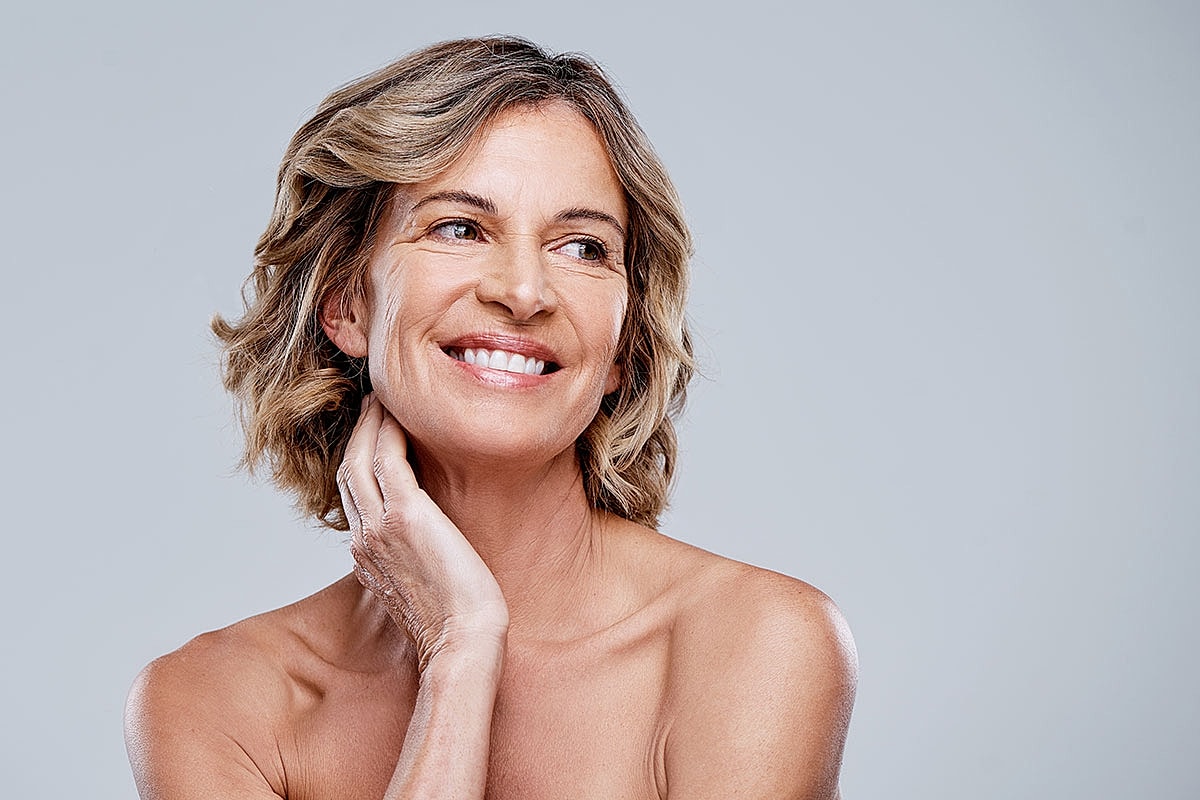
If summer has left your skin with sun spots, uneven texture, fine lines, or a dull appearance, fall may be the perfect time to consider laser skin resurfacing.
As the weather gets cooler and daily sun exposure often decreases, many patients find fall and winter more convenient seasons to begin treatments that require some recovery time or strict sun protection.
At Wellness Center of Cleveland, laser skin resurfacing is one of the options we use to help patients improve the appearance of skin texture, tone, pigmentation, fine lines, and other visible signs of skin aging.
But is fall really the best time for laser resurfacing?
For many patients, it can be an excellent time to start.
Laser skin resurfacing uses controlled laser energy to treat targeted areas of the skin. Depending on the type of laser and treatment intensity, laser resurfacing can address concerns on the face, neck, chest, and other areas.
Laser treatments may help improve the appearance of:
The goal is not simply to “remove” damaged skin. Laser treatments can also stimulate the skin's natural healing and collagen-production processes, helping create smoother, healthier-looking skin over time.
1. Less Intense Sun Exposure
One of the most important considerations after many laser treatments is sun protection.
Newly treated skin can be more sensitive to ultraviolet exposure. Excessive sun exposure after treatment can increase the risk of unwanted pigmentation and interfere with the healing process.
During Cleveland's fall and winter months, there are generally fewer opportunities for prolonged outdoor sun exposure than during the summer.
That doesn't mean you can skip sunscreen.
Daily SPF is still essential year-round.
However, the seasonal decrease in intense sun exposure can make fall and winter a convenient time for patients who want to undergo resurfacing.
Depending on the type and intensity of laser treatment, patients may experience temporary:
Recovery varies considerably from one patient to another.
Starting treatment earlier in the fall gives your skin more time to recover before Thanksgiving, holiday parties, family photos, and other end-of-year events.
If you're considering a more intensive resurfacing treatment, planning several weeks or even months ahead can be especially helpful.
Summer can be hard on your skin.
Months of sun exposure, heat, humidity, swimming, travel, and outdoor activities can contribute to:
Fall can be an ideal time to evaluate the condition of your skin and create a treatment plan to address those concerns.
Rather than waiting until the new year, starting in the fall gives you an opportunity to work toward healthier-looking skin before the next summer season.
Laser resurfacing can be customized depending on your skin concerns and treatment goals.
Fine Lines and Wrinkles
As we age, collagen and elastin production naturally decline. This can contribute to fine lines and changes in skin texture.
Laser treatments can stimulate collagen remodeling and improve the overall appearance of the skin.
For wrinkles caused primarily by facial muscle movement, however, laser resurfacing may not be the only appropriate treatment. Neuromodulators such as Botox may be considered for certain dynamic wrinkles.
In some cases, treatments can be combined for a more comprehensive rejuvenation plan.
Sun Damage and Uneven Pigmentation
Years of sun exposure can result in uneven pigmentation and visible sun damage.
Depending on the specific type of pigmentation, treatment options may include laser treatments, IPL, medical-grade skincare, or other approaches.
An evaluation is important because not every dark spot should automatically be treated with a laser.
Your provider can determine whether a particular spot appears appropriate for cosmetic treatment or requires further evaluation.
Uneven Skin Texture
If your skin feels rough, looks dull, or has an uneven texture, resurfacing may help create a smoother appearance.
Laser resurfacing can work by treating the skin in a controlled manner and stimulating the body's natural healing response.
Acne Scars
Certain laser resurfacing treatments may help improve the appearance of acne scars.
However, acne scars come in different forms, and the best treatment depends on whether the scars are rolling, boxcar, ice-pick, raised, or associated with pigmentation.
Laser resurfacing may be part of a larger treatment plan rather than a one-size-fits-all solution.
One type of laser resurfacing available at Wellness Center of Cleveland is Erbium YAG laser resurfacing.
Erbium YAG lasers use a wavelength that is strongly absorbed by water in the skin. This allows the laser to precisely treat targeted areas of the skin.
Depending on the treatment settings and goals, Erbium YAG resurfacing can be used to improve the appearance of:
The intensity of treatment can influence both the expected results and recovery period.
That's why your treatment should be customized rather than simply choosing the strongest possible setting.
Laser resurfacing isn't the only way to improve skin quality.
Depending on your concerns, other treatments may be appropriate.
Laser Resurfacing
Often considered when the primary concerns include:
RF Microneedling
Treatments such as Pixel-8 use microneedling combined with radiofrequency energy and may be appropriate for:
Sofwave
Sofwave is a non-invasive ultrasound-based treatment designed primarily to address:
IPL
IPL, or intense pulsed light, uses broad-spectrum light to target certain pigmentation and vascular concerns and may be an option for patients whose primary concern is uneven skin tone.
The important point is that the best treatment depends on what you're trying to improve.
Someone primarily concerned with pigmentation may need a different approach than someone whose main concern is skin laxity or acne scarring.
In some cases, combining treatments can provide a more comprehensive approach to facial rejuvenation.
For example, a patient may have:
One treatment may not address all of these concerns.
Depending on your individual needs, a treatment plan might include different modalities performed at appropriate intervals.
Examples may include laser resurfacing combined with Botox, dermal fillers, skin tightening, RF microneedling, or medical-grade skincare.
However, more treatments aren't always better.
The goal should be to select the treatments that address your specific concerns while allowing your skin adequate time to recover.
This depends on the type and intensity of treatment.
Some improvements may become noticeable as the skin heals, while other improvements develop gradually as collagen remodeling continues.
Patients should understand that laser resurfacing is not necessarily an overnight treatment.
Your final results may continue to improve over time as the skin goes through its natural healing and collagen-remodeling processes.
Your provider can give you a more specific timeline based on the treatment selected and your individual skin.
Recovery depends on the type of laser treatment and how aggressively the skin is treated.
You may experience some combination of:
Your provider will give you specific instructions regarding cleansing, moisturizing, sun protection, and other post-treatment care.
It's important to follow those instructions carefully.
Do not pick or peel the skin during recovery, even if you notice flaking or peeling.
Allow your skin to heal naturally.
If you're considering laser resurfacing, sunscreen isn't optional.
UV exposure can negatively affect healing and may increase the risk of unwanted pigmentation following certain laser treatments.
After treatment, follow your provider's recommendations regarding:
And remember: winter sun still counts.
Snow can reflect UV radiation, and UV exposure occurs even when temperatures are cold.
If you're considering laser resurfacing for a holiday event, don't wait until the last minute.
Your ideal timeline depends on the specific laser treatment and your expected recovery.
As a general planning principle:
8–12+ weeks before an important event:Consider beginning a treatment plan that may involve resurfacing, RF microneedling, or other collagen-stimulating treatments.
4–8 weeks before:Depending on your treatment plan, this may be an appropriate time for certain treatments or follow-up sessions.
2–4 weeks before:Discuss treatments that have shorter recovery periods with your provider.
1–2 weeks before:It's generally better to focus on maintaining your skin rather than experimenting with an aggressive new treatment.
The exact timing should always be individualized.
Laser resurfacing can be an excellent option for many patients, but it isn't appropriate for everyone.
Your provider may consider factors including:
A consultation is the best way to determine whether laser resurfacing—or another treatment—makes sense for your skin.
Start Your Fall Skin Rejuvenation Plan
If you're noticing the effects of summer on your skin, fall is a great time to start thinking about your next steps.
Whether your primary concern is sun damage, fine lines, uneven texture, acne scars, pigmentation, or overall skin rejuvenation, there may be several treatment options to consider.
At Wellness Center of Cleveland, we can evaluate your skin and help develop a personalized treatment plan based on your goals, timeline, and desired amount of downtime.
Don't wait until the week before a holiday event to start thinking about your skin.
Start now, give your skin time to heal, and head into the holiday season with a treatment plan designed specifically for you.
Schedule a consultation with Wellness Center of Cleveland to learn whether laser resurfacing or another skin rejuvenation treatment is right for you.
Wellness Center of Cleveland25111 Country Club Blvd, Suite 235North Olmsted, OH 44070440-471-7707

(440) 471-7707
Monday: 1:00pm - 5:00pm
Tuesday: 9:00am - 6:00pm
Wednesday: 9:00am - 5:00pm
Thursday: 9:00am - 6:00pm
Friday: 9:00am - 4:00pm